What is Organizma? An online survival game in a microscopic world: you start as a single cell, grow by eating, collect genes and evolve. Every organism on these pages lives in the game.
🦠 Play OrganizmaSingle-celled hunters and grazers
Protists that move with flagella, cilia or false feet and live by swallowing their food.
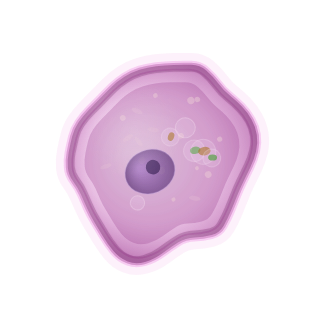 AmoebaAmoeba proteusA single cell with no fixed shape that flows along on false feet and engulfs its prey.
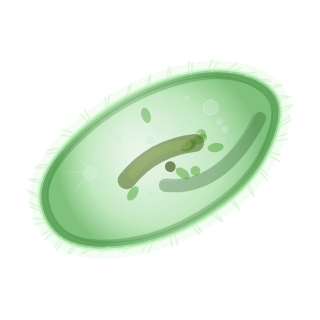 ParameciumParamecium caudatumA slipper-shaped single cell that swims by beating thousands of cilia like oars and sweeps bacteria into its oral groove.
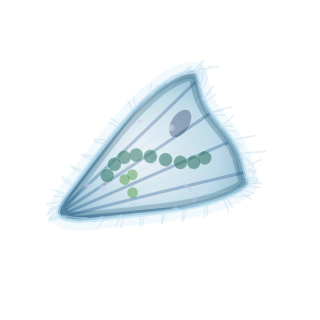 StentorStentor coeruleusA trumpet-shaped blue giant among single cells that stretches up to 2 millimetres and is visible to the naked eye.
 DidiniumDidinium nasutumA barrel-shaped hunter that catches paramecia bigger than itself with a toxic snout and swallows them whole.
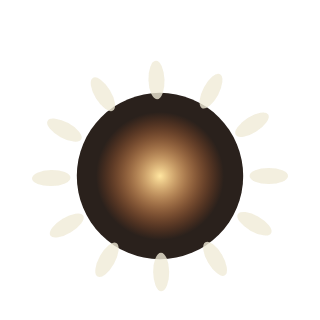
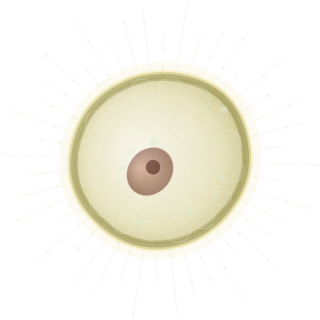 Heliozoan (sun animalcule)Actinosphaerium and ActinophrysA single cell that looks like a little sun with thin rays in every direction, and catches its prey with those rays.
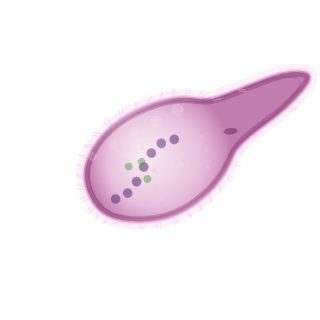 DileptusDileptus anserA swan-necked hunting ciliate that paralyses its prey with toxic darts along its long proboscis.
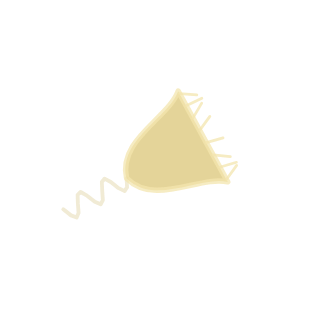 Vorticella (bell animalcule)VorticellaA bell-shaped ciliate on a spring-like stalk that makes one of the fastest movements known in cells.
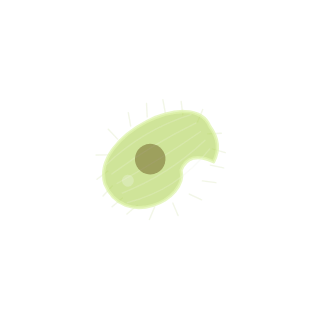 ColpodaColpodaA kidney-shaped ciliate of soil water films that turns into a cyst within minutes when it dries out.
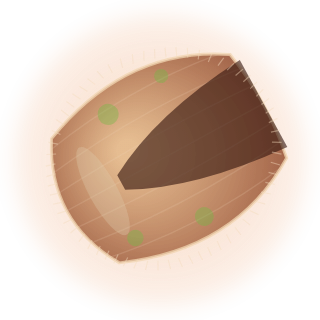 Bursaria (giant purse ciliate)Bursaria truncatellaA purse-shaped single-celled giant approaching a millimetre that swallows other ciliates whole with its huge mouth.
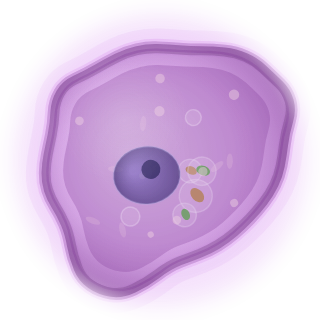 Giant amoeba (Chaos)Chaos carolinenseA giant amoeba up to five millimetres long with hundreds of nuclei, visible to the naked eye.
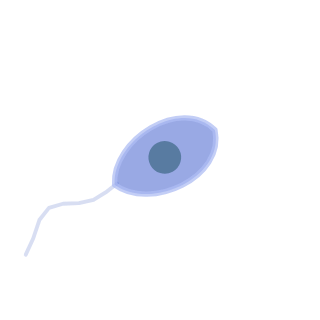 Bodo (flagellate)Bodo saltansA tiny two-flagellated single cell that swims in jumps and eats bacteria; a resident of dirty water.
Living on light
Photosynthetic algae and flagellates: the source of the water's oxygen and the base of the food chain.
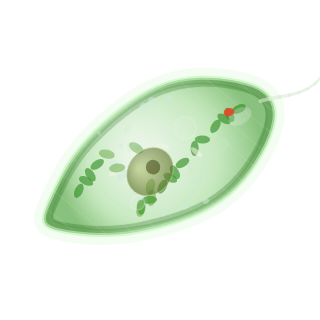 EuglenaEuglena gracilisA flagellate that photosynthesises in light, absorbs food in the dark and finds the light with its red eyespot.
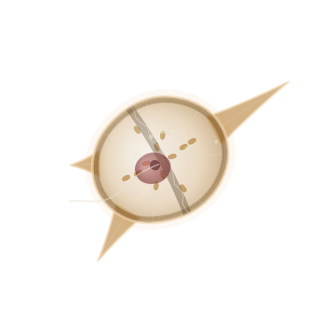 CeratiumCeratium hirundinellaA light-feeding dinoflagellate armoured with cellulose plates that drifts on its long horns.
 VolvoxVolvoxA green, rolling ball of thousands of flagellated cells that carries daughter spheres inside it.
 DiatomBacillariophytaAn alga that lives inside two halves of a glass box and produces a large share of Earth's oxygen.
 Noctiluca (sea sparkle)Noctiluca scintillansA giant dinoflagellate that flashes blue light when disturbed and makes waves glow at night.
 Closterium (crescent alga)ClosteriumA crescent- or banana-shaped green alga with dancing crystals in a small sac at each end.
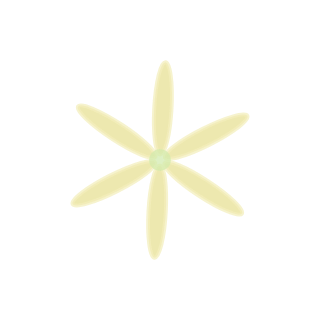 Pediastrum (star colony)PediastrumA green algal colony whose cells form a flat star or gear wheel, with a cell number fixed from the start.
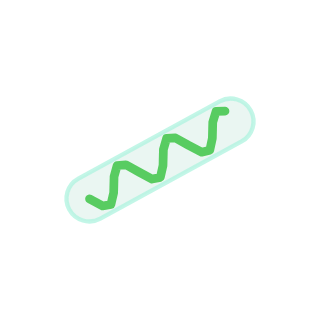 Spirogyra (spiral alga)SpirogyraA pond alga whose chloroplast coils like a spiral staircase inside its threads; it forms slimy green mats.
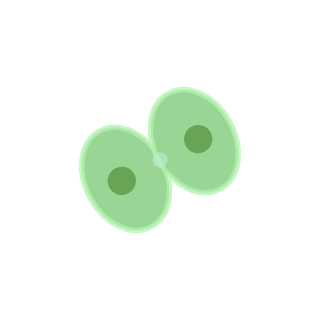 Desmid (Micrasterias)MicrasteriasA single-celled green alga as ornate as a snowflake, made of two mirror-image halves joined at a waist.
 Chlorella (green alga)Chlorella vulgarisA tiny, round, fast-growing green alga that lives inside many single-celled organisms as a partner.
 ScenedesmusScenedesmus (Desmodesmus)A small green algal colony of four cells side by side, with spines at the ends.
Shell and skeleton builders
Single cells that build homes of glass, chalk or sand; the architects of the ocean floor.
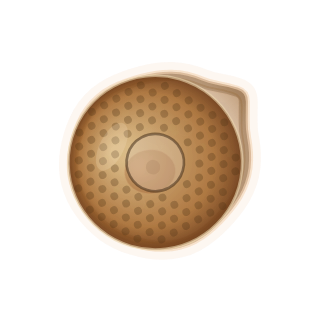 Testate amoebaArcella and DifflugiaAn amoeba that lives inside a house it secretes itself or builds from grains of sand.
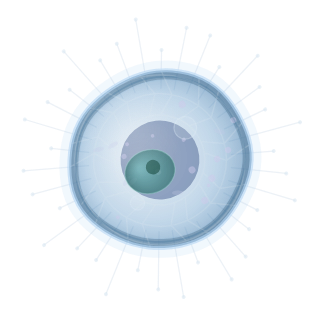 RadiolarianRadiolariaAn elegant marine single cell with a glass skeleton that lasts for millions of years on the ocean floor.
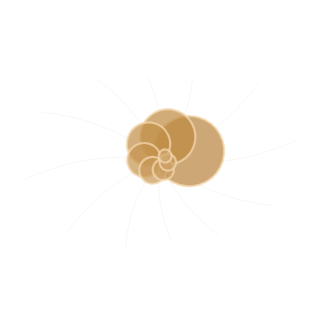 ForaminiferaForaminiferaA single cell with a chambered chalk shell that spreads web-like false feet through its holes; its fossils are even in the stones of the pyramids.
 CoccolithophoreEmiliania huxleyi and relativesA tiny alga covered in chalk scales that turns the sea milky blue, visible from space, when it blooms.
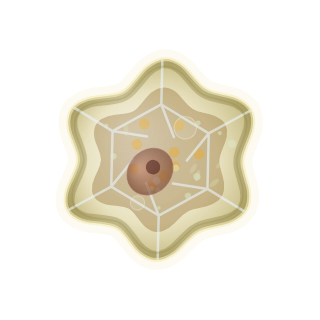 SilicoflagellateDictyochaA tiny light-feeding flagellate alga that drifts in the sea on a star-shaped silica skeleton.
Microscopic animals
Multicellular, yet most are smaller than a millimetre: crustaceans, rotifers, water bears and hydras.
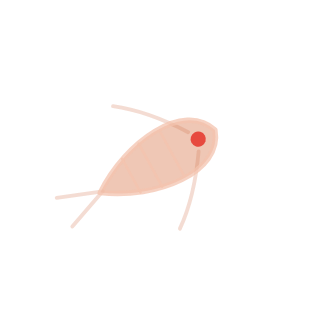 CopepodCopepodaA tiny one-eyed crustacean that is among the most numerous animals on Earth.
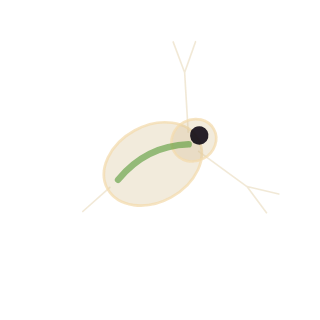 Water fleaDaphniaA tiny filter-feeding crustacean whose beating heart can be seen through its transparent shell.
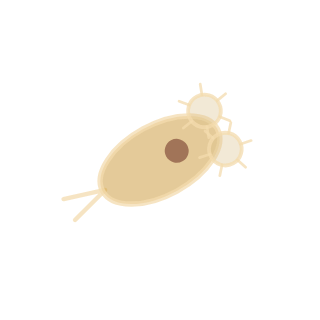 Rotifer (wheel animal)RotiferaA tiny animal whose ring of cilia looks like a spinning wheel, and which can survive frozen for thousands of years.
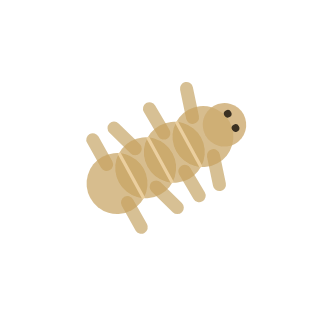 Tardigrade (water bear)TardigradaThe toughest animal on Earth: eight chubby legs, and able to survive drying, freezing and outer space.
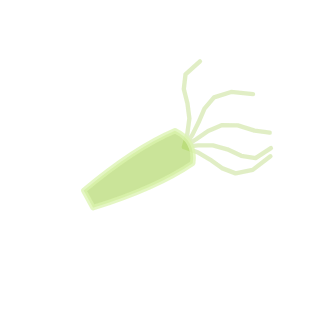 HydraHydraA tiny freshwater animal that hunts with venomous capsules on its tentacles and is thought not to age.
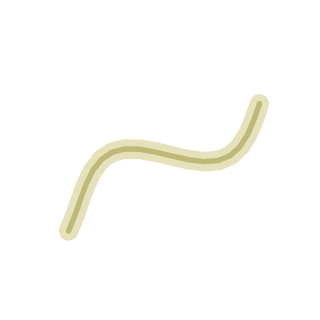 Nematode (roundworm)Nematoda (e.g. Caenorhabditis elegans)One of the most numerous animal groups on Earth: thousands wriggle in a handful of soil.
 Ephyra (baby jellyfish)Ephyra of Aurelia auritaA tiny eight-armed, star-shaped baby jellyfish that breaks off a polyp and starts swimming.
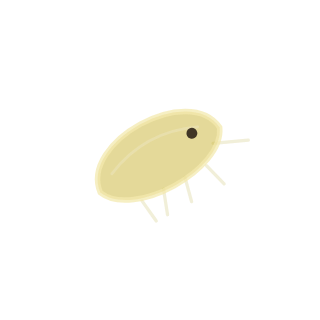 Ostracod (seed shrimp)OstracodaA small crustacean that hides its whole body inside a two-valved shell like a clam.
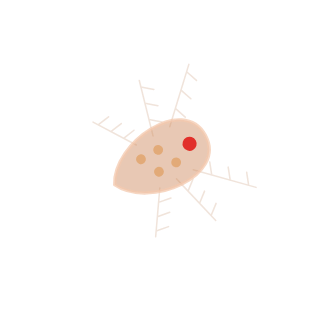 Nauplius larvaNauplius stage of crustaceansThe tiny one-eyed, three-pairs-of-limbs larva that hatches from the eggs of copepods, shrimp and barnacles.
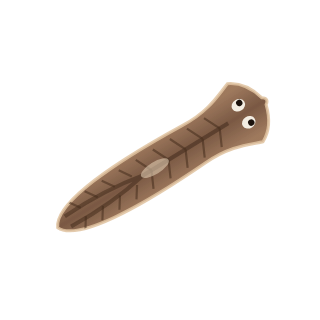 Planarian (flatworm)Dugesia (Schmidtea)A flatworm with two cross-eyed eyespots that can regrow a whole animal from almost any piece.
Bacteria
The smallest and most numerous living things, with no nucleus: rods, spheres and spirals; some live on light, some on chemicals.
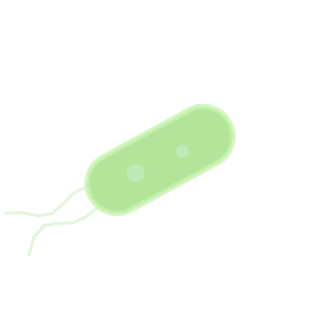 Bacillus (rod bacterium)Bacillus subtilisA rod-shaped bacterium of soil and water that turns into an almost indestructible spore in hard times.
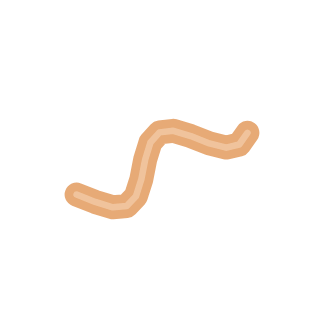 Spirillum (spiral bacterium)Spirillum volutansA corkscrew-shaped bacterium of still water that swims with tufts of flagella at both ends.
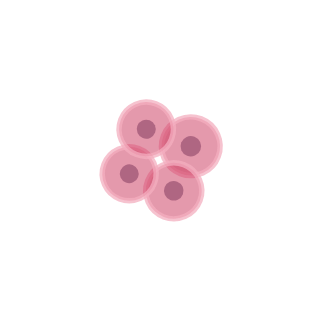 Coccus (round bacterium)Coccus (e.g. Micrococcus)Sphere-shaped bacteria that live alone, in pairs, chains, groups of four or grape-like clusters.
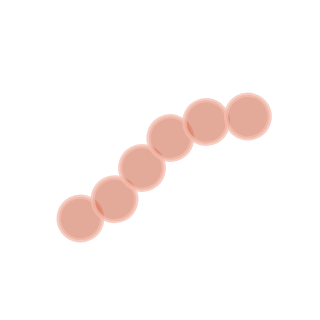 Streptococcus (chain bacterium)StreptococcusRound bacteria that stay stuck together after dividing, forming chains like strings of beads.
 SpirocheteSpirochaetes (e.g. Leptospira)Flexible, long, thin spiral bacteria: their flagella are inside the body, so they move by twisting like a drill.
 Vibrio (comma bacterium)VibrioA comma-shaped bacterium of seas and estuaries that swims very fast with a single flagellum.
 Sarcina (packet coccus)SarcinaRound bacteria that divide in three planes and form cube-shaped packets of eight, stacked like parcels.
 Anabaena (cyanobacterium)AnabaenaA photosynthetic cyanobacterium that forms bead-like threads and can fix nitrogen from the air.
 Hydrothermal vent bacteriaChemosynthetic bacteria and archaeaMicrobes that feed a whole ecosystem in the lightless deep sea by making energy from chemicals pouring out of vents.
Yeasts and moulds
Fungi that digest food outside their bodies and absorb it: single-celled yeasts and thread-weaving moulds.
 YeastSaccharomyces cerevisiaeThe single-celled fungus that makes bread rise by turning sugar into carbon dioxide and alcohol.
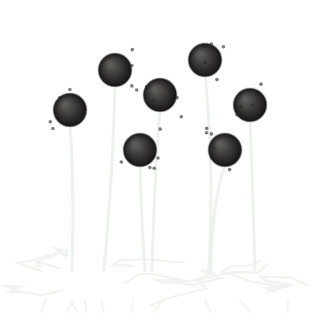 Bread mouldRhizopus stoloniferA fungus that covers stale bread with cottony white threads and black dot-like spore sacs.
Viruses
Particles that cannot multiply on their own and take over the machinery of cells.
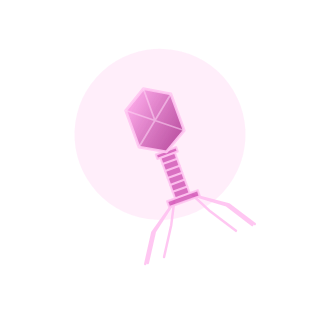 Virus and bacteriophageViruses, e.g. phage T4Cannot multiply on its own, enters a cell and takes over its machinery; the most numerous biological entity on Earth.
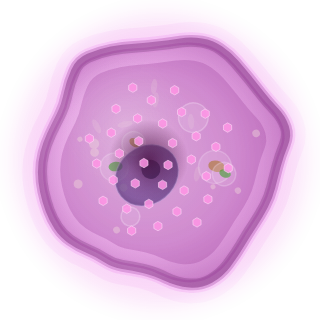 Mimivirus (giant virus)Acanthamoeba polyphaga mimivirusA giant virus big enough to see with a light microscope, once mistaken for a bacterium; it multiplies inside amoebae.
Differences between the game and reality
Organizma is a game: we changed some things to make it fun and brought others as close to reality as we could.
- True to life: the game world is an estuary (river mouth): fresh water in the middle, brackish water further out and the sea beyond. Freshwater organisms (amoeba, paramecium, euglena, stentor, hydra, water flea) live in the middle, marine ones (radiolarians, silicoflagellates, foraminifera, coccolithophores, Noctiluca) further out; a cell in the wrong water loses or gains water through osmosis.
- True to life: the pulse in the life panel is not a heartbeat but the contractile vacuole of freshwater cells pumping out excess water: it almost stops in salt water, speeds up in warmth and is absent in marine organisms.
- True to life: day and night follow the real clock (Istanbul time): algae grow in daylight, zooplankton migrate to the depths at dawn, oxygen runs low where dead cells decay, cells can absorb algae (endosymbiosis), form cysts and swap genes by conjugation.
- True to life: viruses cannot swim and drift with the water; Didinium hunts alone; the giants are real organisms (the giant amoeba Chaos, an amoeba infected by Mimivirus, the sac-shaped giant ciliate Bursaria).
- In the game: In the game organisms collect the genes of what they eat.
In reality: In reality genes are mostly passed from parent to offspring. Close parallels to getting genes from food are rare: horizontal gene transfer in bacteria, and a cell turning a swallowed alga into an organelle (endosymbiosis; this is how mitochondria and chloroplasts arose). - In the game: In the game you pick evolution cards while alive.
In reality: In reality an individual does not evolve during its life; mutations build up from generation to generation. The game's generation inheritance is therefore closer to reality. - In the game: In the game you dash forward.
In reality: Some ciliates really make sudden escape jumps, but not on demand with a cooldown. - In the game: In the game cells burp and show emotes.
In reality: Purely for fun: cells have no voice or feelings. - In the game: there are specialisation paths (a long-range venom dart, summoning helper cells, a protective shield).
In reality: these are game inventions inspired by real abilities (the venom darts of Dileptus, colonial life, symbiosis).
Look for yourself with a microscope
You can see most of these organisms with a simple school microscope. Put some pond water in a jar with a little mud from the bottom and some water plants, and leave it somewhere bright for a few days. Put a drop on a slide and look at 40–100× magnification: first you will see paramecia, euglenas and diatoms, and with patience rotifers, vorticellas and, if you are lucky, a tardigrade.
🔬 Guides: How to use a microscope · Grow microbes at home with a hay infusion
Turkish speakers can also try the Micro World Lab (an ecosystem simulator that recreates Gause's predator–prey experiment) and the Micro World Quiz.
The pictures on these pages are generated from the drawing code of the game Organizma; they are simplified, game-like versions of the organisms. The information is for general purposes. Türkçe: Mikro Dünya Ansiklopedisi.